
Exploring Waffle Weave, Leno, & Honeycomb: Textures That Transform Fabrics

When it comes to fabric design, the structure of the weave plays a crucial role in defining the texture, durability, and visual appeal of the material. Among the many weaving techniques, Waffle Weave, Leno, and Honeycomb stand out for their unique ability to add structural, tactile, and visual interest to fabrics. These weaving styles are not only functional but also aesthetically pleasing, making them popular choices in textiles for clothing, home décor, and industrial applications.
Understanding Waffle Weave: Texture and Functionality Combined
Waffle weave is named for its resemblance to the grid pattern of a breakfast waffle. This weave creates a three-dimensional texture with small, square ridges and hollows, which enhances the fabric’s absorbency and breathability. It is commonly used in towels, robes, and blankets because the texture increases surface area, allowing the fabric to dry quickly and feel soft against the skin.
Characteristics of Waffle Weave
Texture: Raised squares with recessed areas create a tactile surface.
Functionality: Excellent moisture absorption and quick drying.
Visual Appeal: The grid pattern adds depth and interest to plain fabrics.
Waffle weave fabrics are often made from cotton or cotton blends, making them ideal for warm climates or active wear where breathability is essential. The weave’s structure also traps air, providing insulation without bulk.

Waffle weave fabric close-up showing its distinctive grid texture.
Leno Weave: Strength and Stability in Open Fabrics
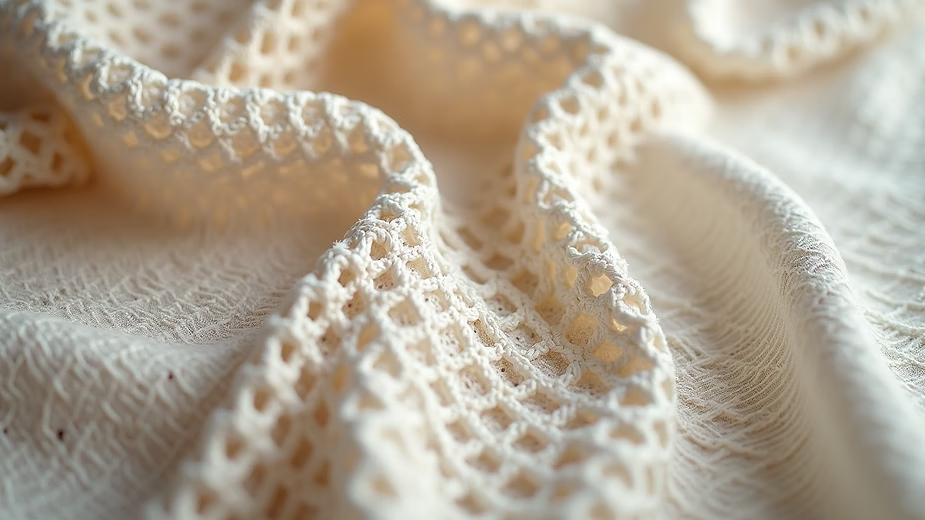
Leno weave is a unique technique where pairs of warp yarns are twisted around the weft yarns, creating a strong, open mesh fabric. This twisting action locks the yarns in place, preventing them from shifting and giving the fabric excellent stability despite its openness.
Why Choose Leno Weave?
Durability: The twisted warp yarns provide strength and prevent distortion.
Breathability: The open mesh allows air to flow freely, making it ideal for lightweight curtains, mosquito nets, and agricultural fabrics.
Visual Texture: The crisscross pattern formed by the twisted yarns adds a subtle decorative element.
Leno weave is often used in applications where both strength and ventilation are needed. For example, in home textiles, it can be found in sheer curtains that allow light and air to pass through while maintaining structural integrity.

Leno weave fabric close-up highlighting the twisted warp yarns and open mesh structure.
Honeycomb Weave: A Classic Pattern with Modern Appeal
Honeycomb weave is named after its hexagonal, honeycomb-like pattern that creates a textured surface with raised and recessed areas. This weave is similar to waffle weave but features a more intricate, geometric design that adds elegance and sophistication to fabrics.
Features of Honeycomb Weave
Texture: Raised hexagonal cells that create a three-dimensional effect.
Functionality: Good absorbency and softness, often used in towels and upholstery.
Aesthetic: The pattern adds a luxurious and classic look to textiles.
Honeycomb weave fabrics are versatile and can be found in both casual and formal settings. They are popular in home décor for items like cushion covers and throws, where the texture adds visual interest and comfort.

Practical Applications and Recommendations for Using These Weaves
Each of these weaving techniques offers unique benefits that can be leveraged depending on the intended use of the fabric. Here are some practical tips for selecting and using waffle weave, leno, and honeycomb fabrics:
Waffle Weave: Ideal for products requiring high absorbency and softness, such as bathrobes, towels, and kitchen textiles. Consider cotton blends for added durability.
Leno Weave: Best suited for lightweight, breathable fabrics that need strength, like curtains, mosquito nets, and produce bags. Synthetic fibers can enhance durability.
Honeycomb Weave: Perfect for decorative and functional textiles, including upholstery, blankets, and luxury towels. Cotton or cotton-polyester blends work well.
When choosing fabrics with these weaves, consider the end use, desired texture, and maintenance requirements. For example, waffle and honeycomb weaves may require gentle washing to maintain their texture, while leno weave fabrics benefit from careful handling to avoid snagging.
Enhancing Fabric Design with Structural Weaves
Incorporating waffle weave, leno, and honeycomb structures into fabric design not only improves the tactile and visual qualities but also enhances the fabric’s performance. These weaves add dimension and interest, making fabrics stand out in a crowded market.
Designers and manufacturers can experiment with yarn types, colors, and finishing techniques to create unique textiles that appeal to consumers looking for both style and functionality. For instance, combining waffle weave with vibrant dyes can produce eye-catching towels, while leno weave in natural fibers can create eco-friendly, breathable curtains.
By understanding the properties and applications of these weaving techniques, textile professionals can make informed decisions that elevate their products and meet consumer needs effectively.
By exploring the unique characteristics of waffle weave, leno, and honeycomb fabrics, you can appreciate how these structures contribute to the beauty and utility of textiles. Whether you are selecting fabrics for your home or designing new products, these weaving techniques offer versatile options that combine texture, strength, and style in one package.


Comments